More Modern
Art made more sense in horse and buggy days because the technology of 1855 more closely resembled that of 1555 than 1955. The first tintypes appeared around 1855, making photography more modern.

Downtowns
Downtowns accommodate recreational photography. It’s light, shadows, and reflections of ourselves in glass entrances. It’s seeing someone we’re responsible for and committing to being kinder and more forgiving, knowing that change requires small steps.
Twangy
It’s pedal steel, bright guitar, fiddles, snare, upright bass, and lyrics about heartache.
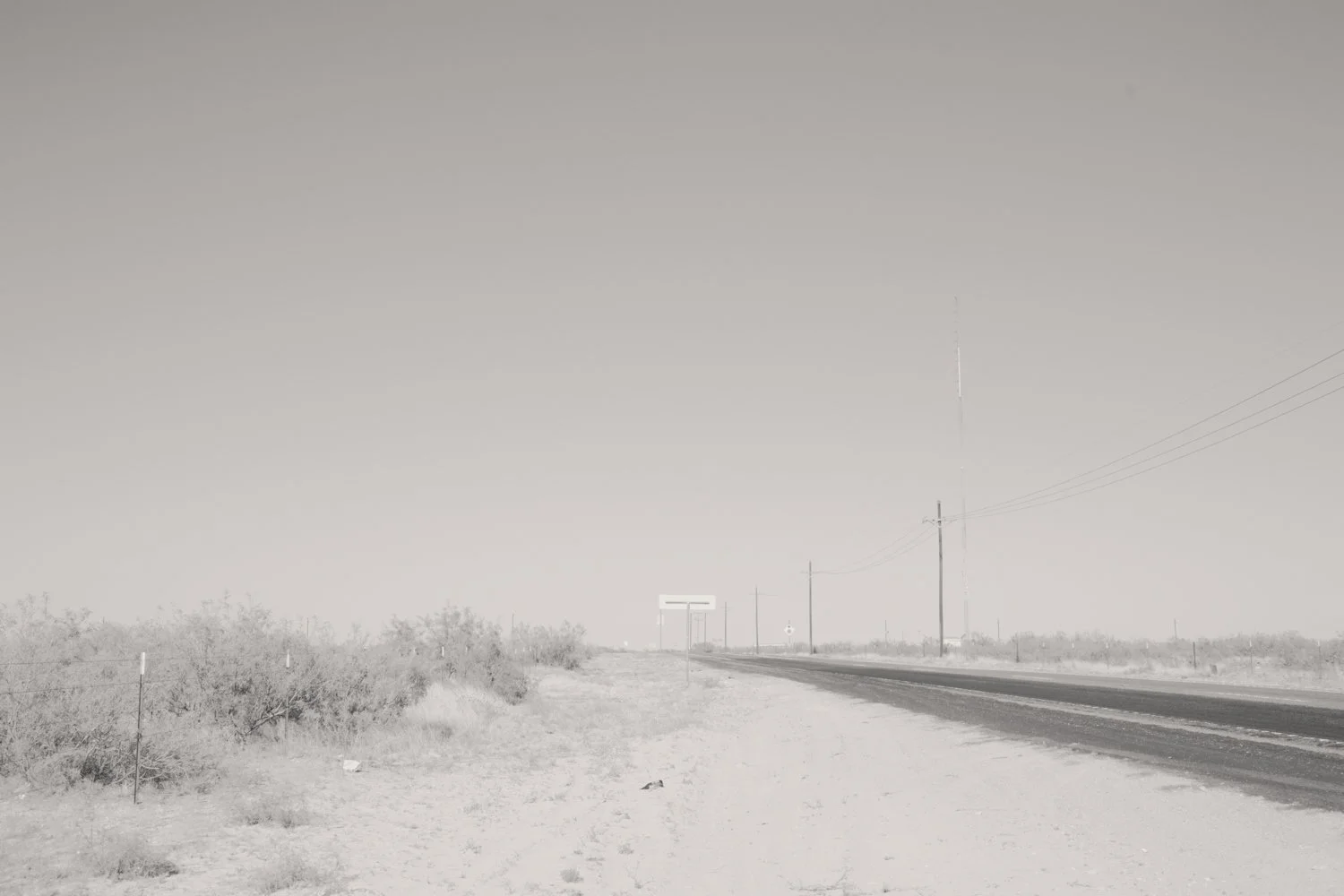
FM 3503
Sand haulers and company trucks roar today, yet in a lost decade, young mechanics revved muscle cars on two lanes, interrupting calm nights before red taillights. It’s been forever since I’ve considered FM 3503.
Harsh Daylight
I’ve tried to photograph harsh light for years. Unlike film, digital has less latitude in bright light, which is why you must find techniques to elevate consistency.
Calm
In a sea of chaos, be an island of peace.
Carscapes
I did the unthinkable and walked in a city as a pedestrian.
Gear
Sometimes photography feels like it’s 10% taking pictures and 90% watching camera reviews.
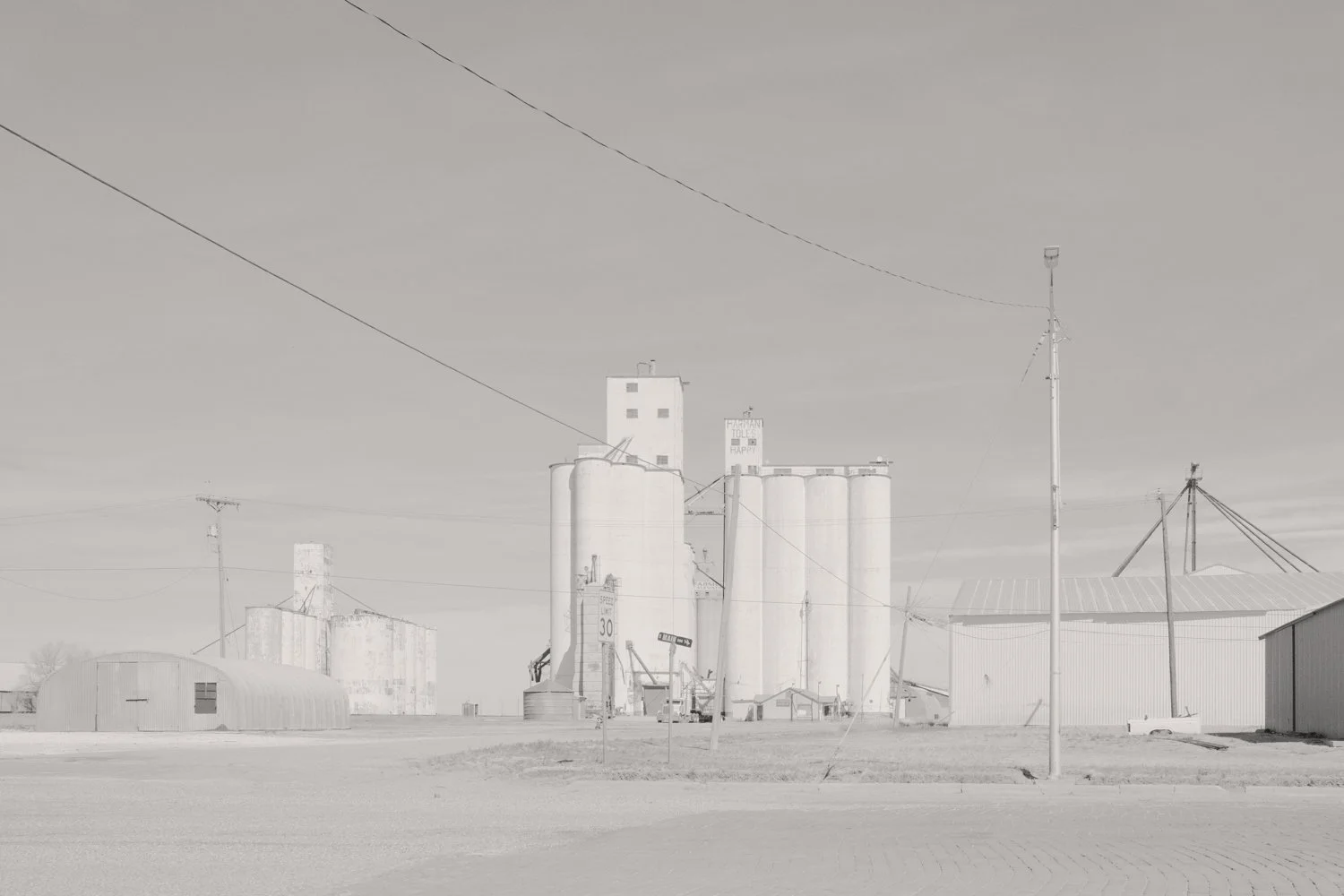
Happy
A dog barks, tin clanks, and wind whooshes across dormant branches.
35, 50
Wide and telephoto touch somewhere between 35 and 50, which means every lens over 50 is called a telephoto and every one below 35 is considered wide, making 35 the longest wide-angle and 50 the widest telephoto.
Auxiliary Viewfinders
Forget new lenses and camera specs. One of the most freeing things we can add to our photography is an auxiliary viewfinder because it removes precision.
The Bigger Picture
There are many things to learn. The point of the arts isn’t to make a living doing art. Instead, if done well, we’ll witness the lived reality of the person making something become more widely known.
In our lifetime
We’re only our age for a little while, yet the present is eternal.