Street Primes
The 28mm and 50mm make a formidable two-lens combination, but the 35mm remains the ultimate single choice. Unlike the geometric abstraction of the others, a 35mm puts you in direct dialogue with the material reality of the scene.
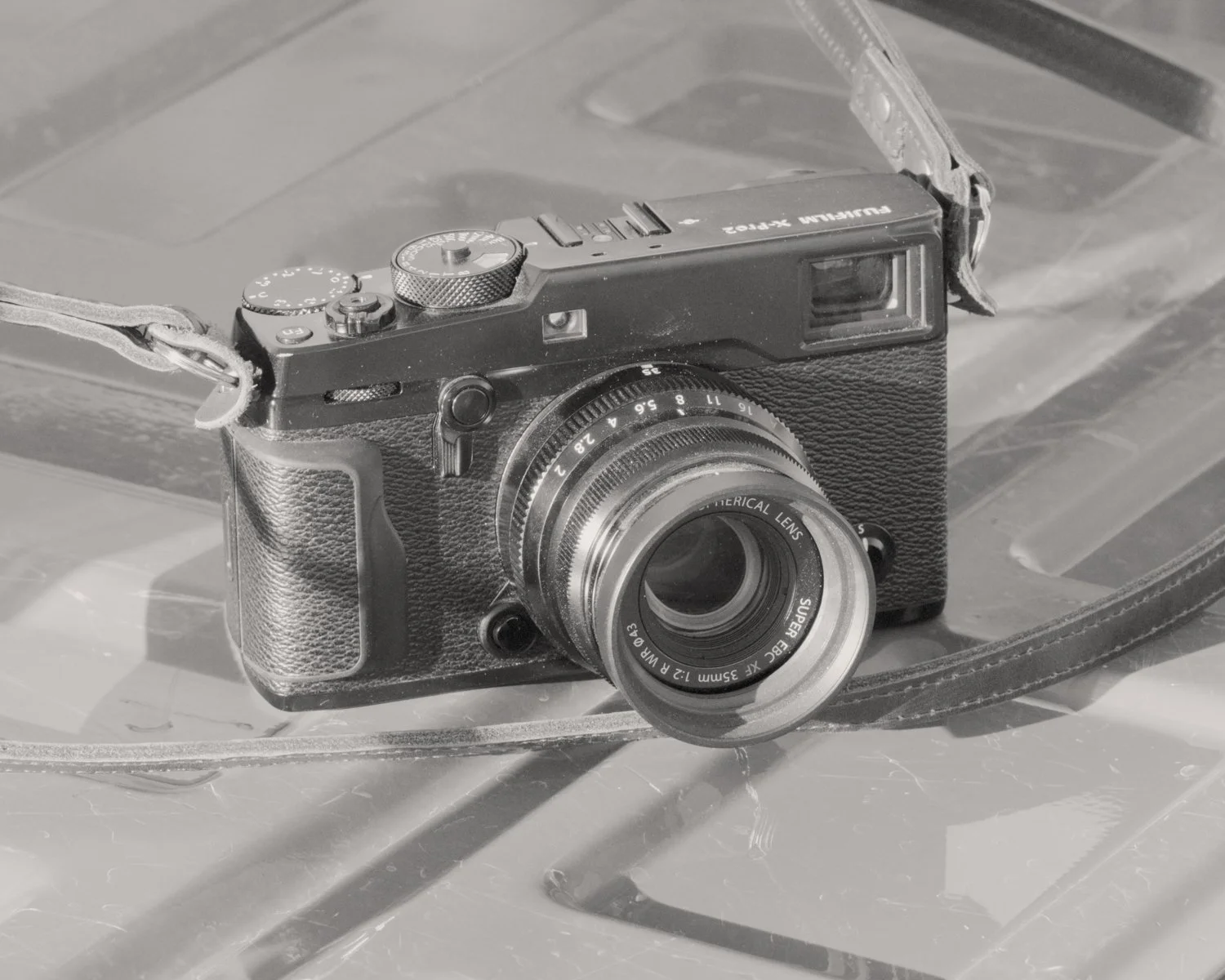
One Camera, One Lens
Photography starts before you even pick up a camera. When I'm shopping for cameras, photography is telling me that I want to take pictures. It is an impulse to frame what is sitting right in front of you. But the gear obsession is a distraction, and an ambient light meter may help your photography more than new gear. You slow down, measure the light falling on the pavement, and pay attention to what matters.
Makeshift Rangefinder
By most metrics, we’re lousy photographers, and that’s fine. 50mm might be the best focal length, and 35mm the best lens if we crop in a little.
Aspect Ratios
Focal lengths and aspect ratios correlate. A 50mm needs a narrower 4:5 to emphasize relationships between foregrounds and back grounds, and on the other side, a 28mm does better with a wider 3:2 because it emphasizes side-to-side relationships.
Taking or Making
In photographing landscapes, places, and found environments, perhaps the difference between making and taking lives in the focal length, where a 35mm takes, and a 50mm makes.
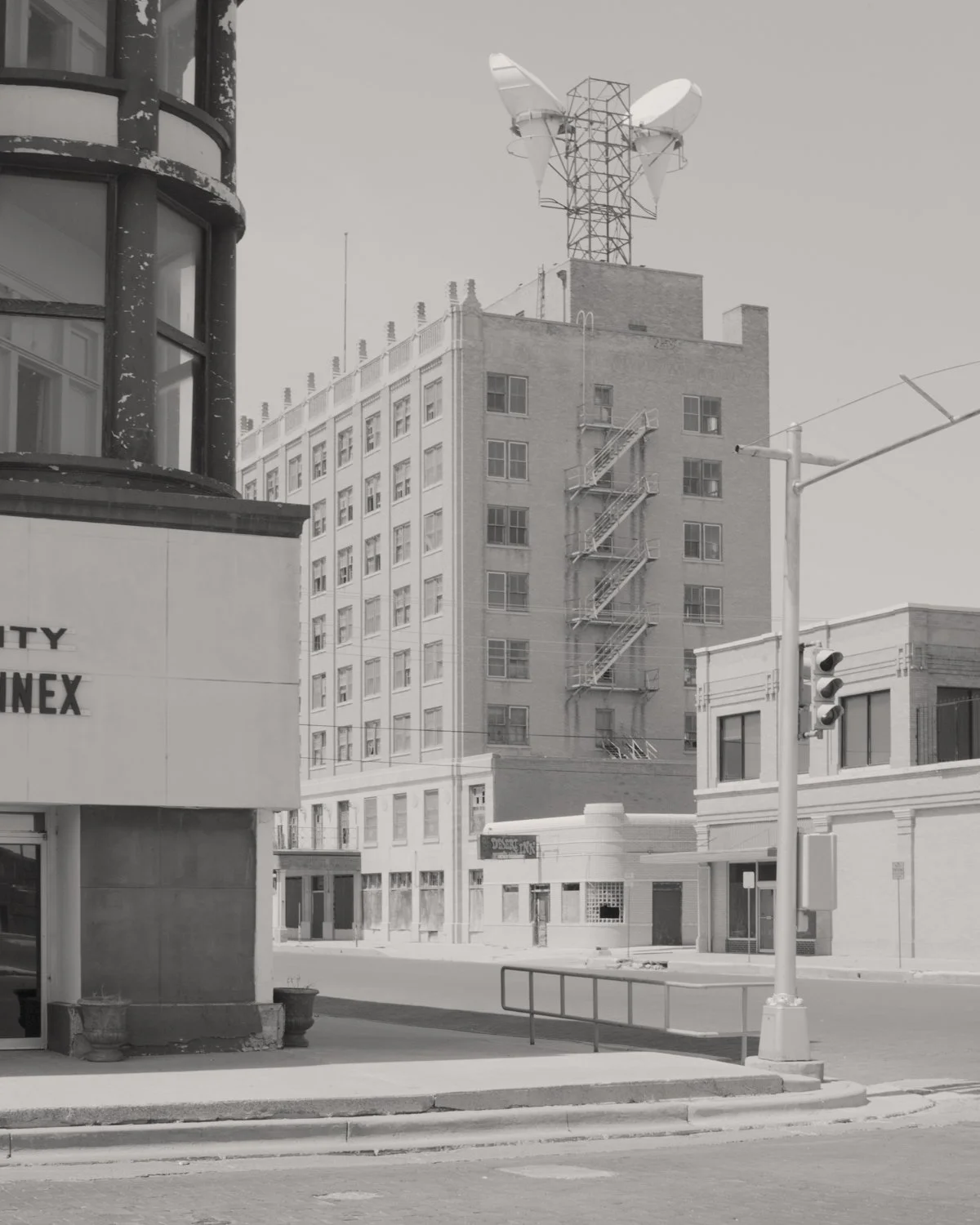
Layered
A 50mm lens is more front-to-back than side-to-side and compresses things together, perfect for layering foregrounds over backgrounds — more deadpan than a 35.
f/8 and be there
F/8 is typically the most optimal aperture for everyday lenses.
35, 50
Wide and telephoto touch somewhere between 35 and 50, which means every lens over 50 is called a telephoto and every one below 35 is considered wide, making 35 the longest wide-angle and 50 the widest telephoto.
35 is a lonesome focal length
A 35mm pushes backgrounds away and magnifies foregrounds.
The Rule of Thirds
View something, then around and past it.
Compression and Separation
Lens selection is a creative choice made before stepping outside. A 50mm is how a photographer sees; a 35mm is how one thinks, and a 135mm is how one sees and thinks while driving.